
Moving Valuation vs Insurance: Protecting Your Belongings
Moving to a new home brings a mix of excitement and anxiety. Whether you are transitioning into a historic home in Brookside or leaving the Kansas City area for an entirely new state, one of the biggest sources of stress is ensuring your belongings arrive safely. It is entirely natural to worry about the safety of your furniture, heirlooms, and daily essentials while they are in transit.
To give you peace of mind, reputable moving companies provide ways to protect your items financially if the unexpected happens. However, when reviewing your contract, you might notice some unfamiliar terminology. Many customers find themselves confused about the difference between moving valuation and moving insurance.
Understanding these terms is critical before you sign on the dotted line. It empowers you to make informed decisions about protecting your household goods, avoiding hidden financial risks, and ensuring that any potential cargo damage claims are handled smoothly. In this guide, we will break down exactly what these protections mean, how they differ, and what you need to know to ensure a stress-free transition.

What is Moving Valuation?
When you hire professional movers, they are required by federal law to assume a certain level of liability for the goods they transport. This liability is known as moving valuation. It is important to note that valuation is not an insurance policy governed by state insurance laws; rather, it is a tariff-based level of liability that the moving company takes on in the event of loss or damage.
So, how moving company liability coverage works depends entirely on the level of valuation you select before the truck is loaded. Movers typically offer two main tiers of liability:
Released Value Protection
This is the most basic coverage option, and it comes at no additional cost to you. Under released value protection, the mover assumes liability for no more than 60 cents per pound, per article. While this option keeps your upfront costs low, it provides minimal protection. For example, if a 50-pound flat-screen television is damaged during the move, the maximum compensation you would receive is $30 (50 lbs x $0.60), which will not come close to replacing the item.
Full Value Protection
If you want more comprehensive coverage, Full Value Protection is the standard option you should consider. Under this tier, if an item is lost, destroyed, or damaged while in your mover's custody, the company has three options: they can repair the item, replace it with a similar item, or make a cash settlement for the cost of the repair or current market replacement value.
When weighing full value protection vs released value moving coverage, it is easy to see why most experts recommend upgrading to full value, especially if you are transporting high-value items, delicate antiques, or a whole house worth of furniture.
The Role of Traditional Moving Insurance
Now that we understand valuation, what is moving insurance? True insurance is sold by licensed third-party insurance companies, not by the movers themselves. While your moving company will provide valuation, you might choose to purchase a separate moving insurance policy for added peace of mind, particularly for items of extraordinary value.
Many customers ask: Does my homeowners or renters insurance cover my belongings during a move? The answer is sometimes, but rarely completely. Some homeowners policies offer coverage for goods in transit, but they often have strict limitations, high deductibles, or exclude damages caused by handling. It is always wise to call your insurance agent to clarify exactly what your current policy covers before purchasing a third-party moving insurance policy.
Ultimately, the main difference between moving valuation and moving insurance comes down to who provides it and how it is regulated. Valuation is an agreement of liability directly with your mover, whereas insurance is a distinct contract with a third-party financial institution. Reputable moving companies will always be transparent about their valuation options, aligning with strict FMCSA regulations to protect consumers from industry scams.
Minimizing Risk from the Start
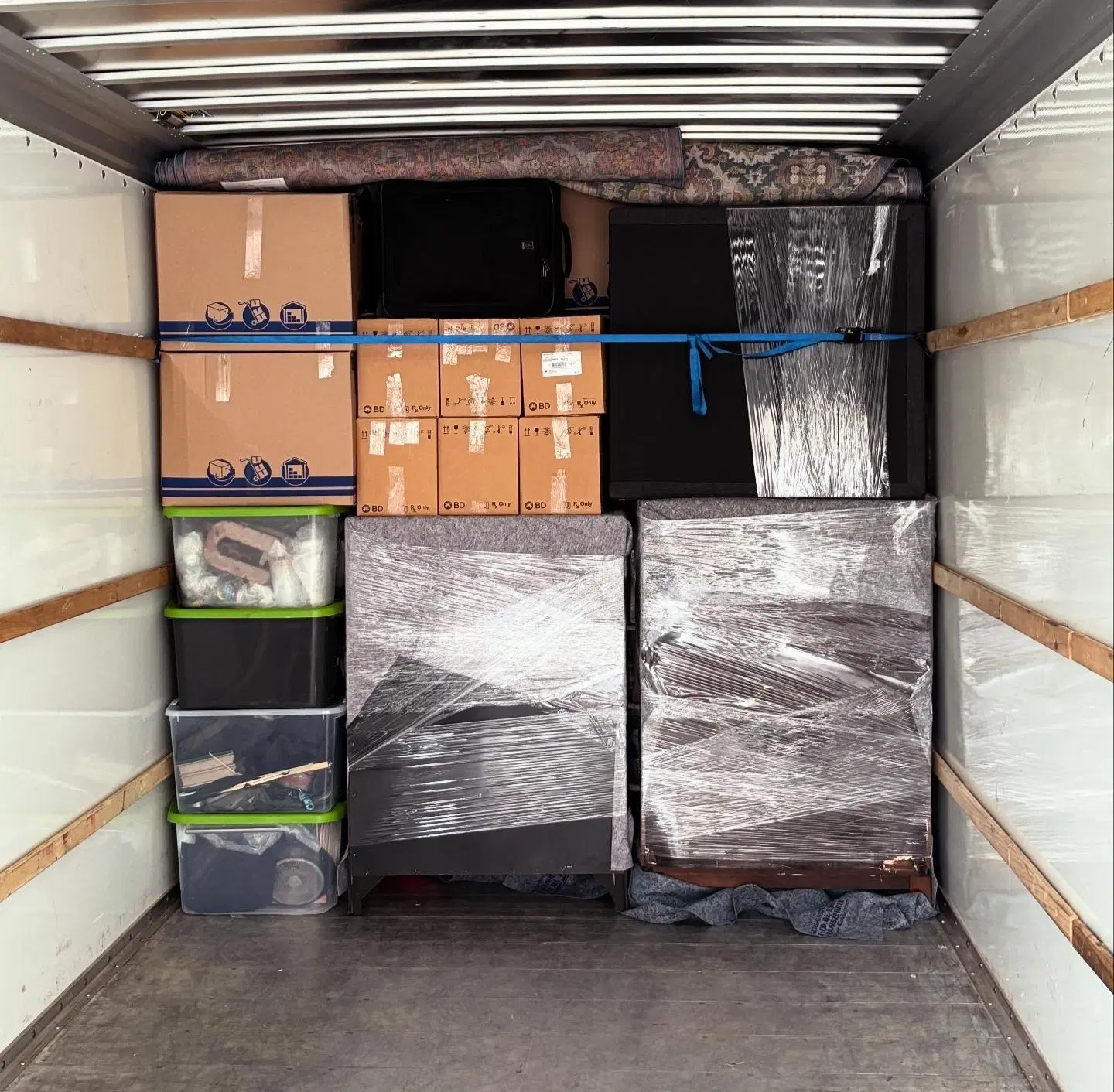
Understanding coverage is essential, but the best way to handle damage claims is to prevent them from happening in the first place. This requires hiring a team that takes the physical safety of your items as seriously as you do.
At MoveKC, our top core values are customer satisfaction, safety, and providing a stress-free experience. We believe in taking a pragmatic, Show-Me state approach to our work: we do not just promise careful handling; we demonstrate it. One of the ways we stand out in the industry is through direct owner involvement in most of our services. Having leadership actively participating in the moving process ensures that extreme caution is used when packing, loading, and securing your belongings.
Whether you are booking full-service moves where we handle every detail from packing boxes to placing furniture, or you need specialized help with high-value items like pianos, our hands-on approach drastically reduces the likelihood of damage. We take great pride in our meticulous loading procedures, meaning you can focus on settling into your new home rather than worrying about filing a claim.
We are also highly experienced in managing complex transitions. If you are a service member planning a military move or a family coordinating long-distance moving across state lines, we know that the logistics can be overwhelming. Out-of-state moves require even more rigorous packing and loading techniques to withstand hours on the highway, and our owner-supervised crews are trained specifically for these demanding jobs.
Moving Forward with Confidence
Protecting your belongings is a collaborative effort between you and your moving company. By understanding the coverage options available, carefully inventorying your items, and choosing a mover with a proven track record of safety, you can eliminate a massive amount of moving day stress.
Take the time to assess the value of your goods and select the valuation or insurance option that fits your comfort level. Never hesitate to ask questions about liability, transparent pricing, and claims processes before booking your dates. A trustworthy mover will always take the time to walk you through the paperwork and ensure you are fully informed.
If you are planning an upcoming transition and want to work with a team that puts the safety of your belongings first, we are here to help. Reach out to MoveKC via our contact us page to discuss your specific needs, get a transparent estimate, and learn more about how we protect your home every step of the way.